
Welcome to the historic yet modern Town of Halifax, Virginia
With a population of only about 1,000, our energy and ambition exceeds that of most larger towns.
And since we are so small, it’s easy to get to know the people who can help you succeed – whether your market is local or global.
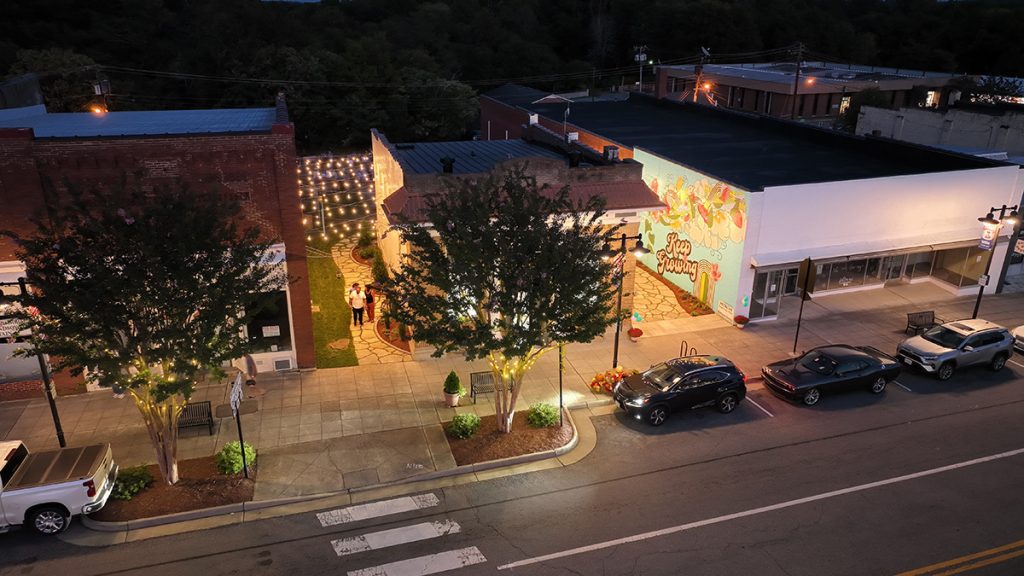
Located in the southern piedmont of Virginia, the county seat Town of Halifax has been admired for its handsome houses, churches, and lush landscaping for over a century. By incorporating fiber optic & wireless broadband technology, continuing a downtown revitalization project, and planning for economic growth in harmony with its natural surroundings, the town is preparing for a sustainable future.
Bounded by the shores of Banister Lake and the lower Banister River and surrounded by farmland and rolling woodlands, Halifax offers residents, businesses, and visitors the charm of a small town and the relaxed atmosphere of a rural retreat.
The Mountain Road Historic District is a tree-shaded road that stretches west from the courthouse square into the countryside. The road was built up slowly so that it now presents a range of buildings from the early 19th century to the present.
Serving as the County Seat since 1777, the Halifax Courthouse Historic District includes the downtown central business district. Though the Town of Halifax only has a population of about 1,300, it has a variety of businesses, including restaurants (fine dining, casual, and fast food), banking, insurance, farm supplies, physician’s and veterinarian’s offices, event venue, attorneys, website developer, auto repair, convenience stores and gas stations.
 Historic Business District
 Historic Business District
Halifax County was formed from Lunenburg in 1752, and the Town of Halifax has been the county seat since 1777. The courthouse town of Banister, named after the neighboring river, grew around the new courthouse. Called Banister Town during the Civil War, the town became Houston in 1890 to entice a new railroad, and after WWI changed its name to Halifax.
Most of the buildings in town have been in existence since the late 1890’s, and new photos of the town look remarkably like historic ones; the Historic album in the Photos section shows some angles from both historic and modern times.
The modern-day Town of Halifax has a bustling business community.
Outdoor Recreation
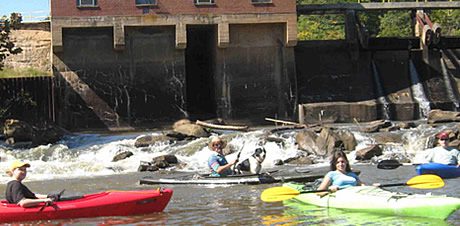 Banister Lake, a reservoir formed by the Banister River dam, lies within the Town of Halifax and provides a great opportunity for recreation. Recreational activities on the lake include boating, fishing, and kayaking.
Wildlife lovers enjoy the Virginia Birding & Wildlife Trail at the lake, where they might spot deer, wild turkeys, river otters, beaver, great blue herons, hawks, bald eagles, ospreys, and other creatures.
Other recreational opportunities in the area include the Virginia Civil War Trails; VA 360 & VA 344 State Scenic Byways which link routes and access to scenic, historic, cultural, natural and archaeological features unique to Halifax County and Southern Virginia.
The Tobacco Heritage Trail will create a network of regional and local bikeways, walking & equestrian trails and blueways along river corridors to connect visitors and residents with the natural beauty found on farmland, historic sites, state parks and state rivers.
Genealogy Research – Portal to the Past
 Genealogy Research – Portal to the Past
Occupying a site that has been used for court purposes since 1803, the Courthouse holds hundreds of thousands of documents relating to the people and property of Halifax County, Virginia. The court records go back to 1752, when Halifax County was cut off from Lunenburg.
The Courthouse was built in 1838 and is one of the Classical Revival court buildings erected by master designer and builder, Dabney Cosby and son, Dabney Cosby, Jr. The senior Cosby worked with Thomas Jefferson on the construction of the University of Virginia and provided Southside Virginia with a variety of architecturally literate houses, churches and public buildings. He abandoned the strict temple form for the Halifax County courthouse in favor of a T-plan and Greek Ionic order.
Learn More
Drone photography by RCFlyBy
Enjoy the Banister River Past & Future article from SoBo Halifax Magazine.